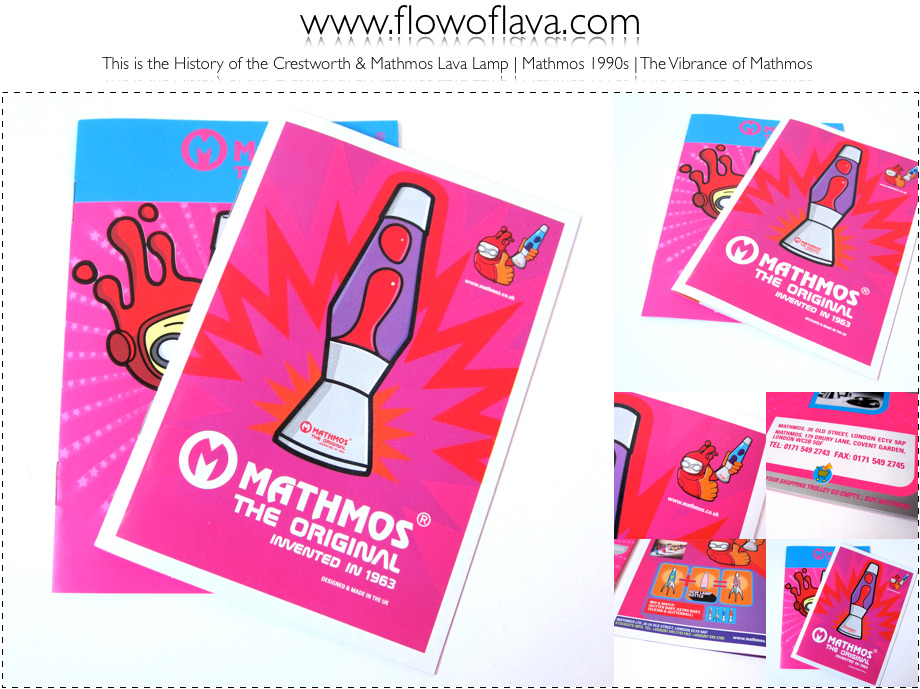
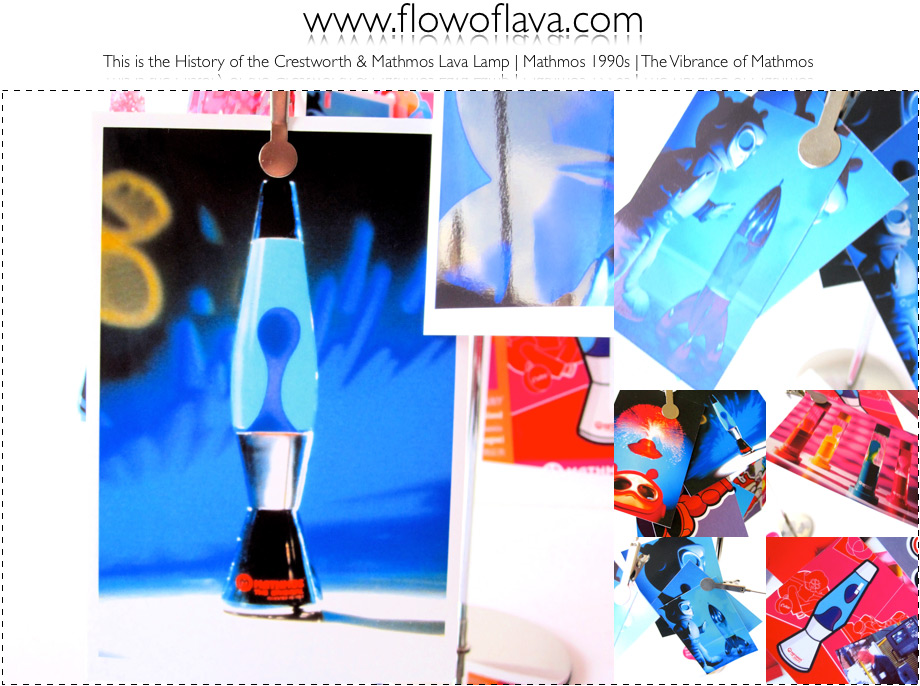
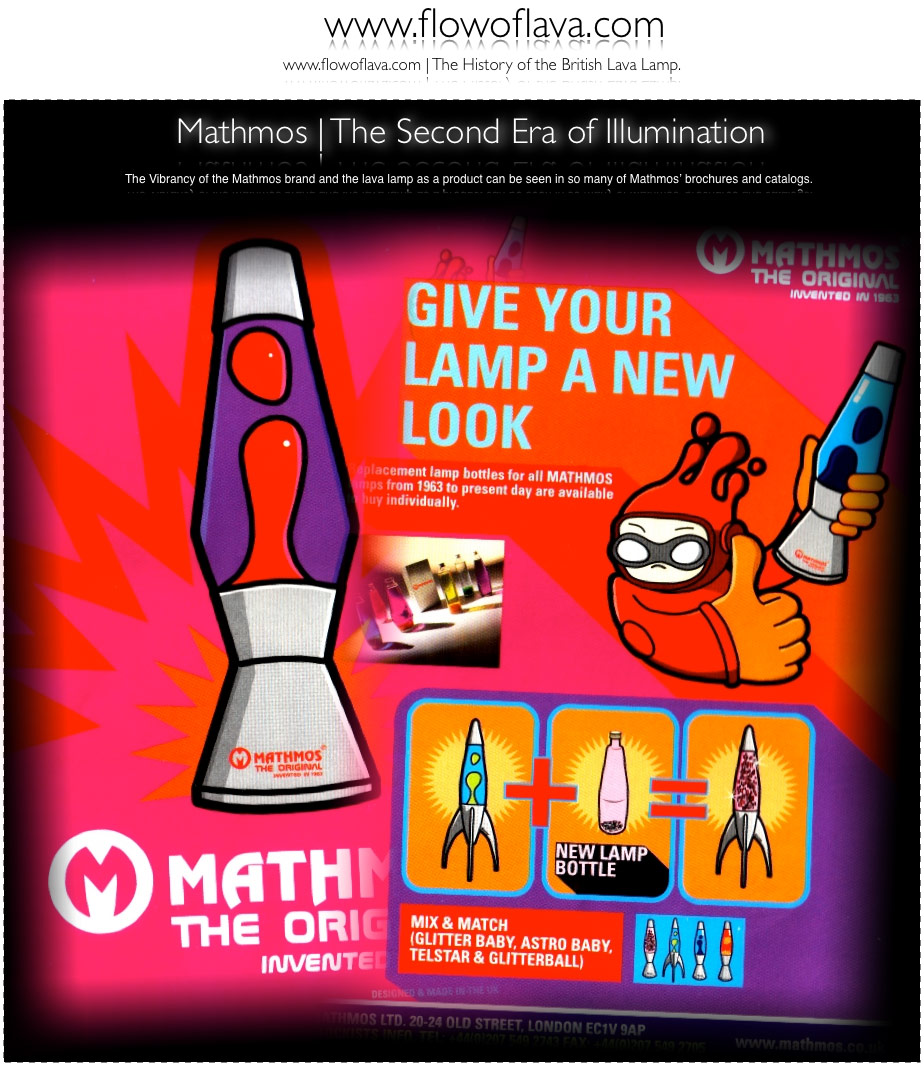
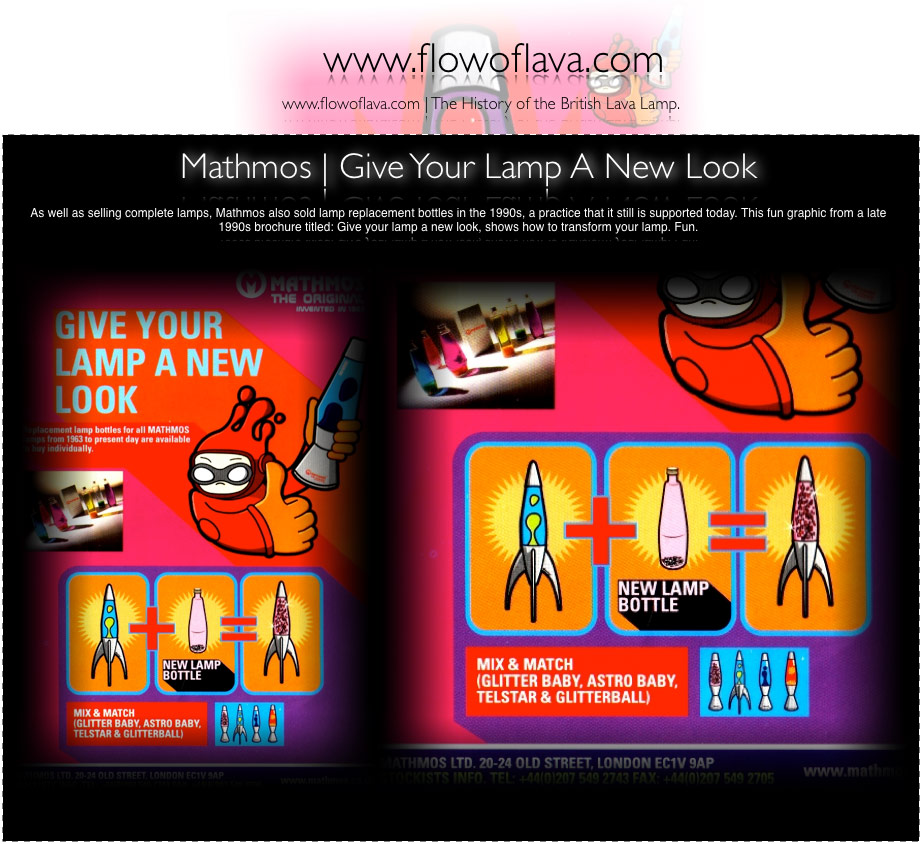
Mathmos | 21st April 1997 Independant Press Cutting | Where Kitsch means cash.
The lava lamp and the adjective "naff" have been in circulation for roughly the same time. Rarely have the two been separated. The lava lamp was naff when kitsch was a word barely pronounced outside Germany, and irony unknown in home furnishing.
But a happy collision of naffness, kitsch, fashion and irony has kept the lava lamp in production for over 30 years, outlasting many of the seaside tat specialists which were its first stockists. Its unsophisticated appeal is apparently universal and - with some irony - particularly marked in Germany, a country whose fondness for pointless frippery has remained one of its less visible features.
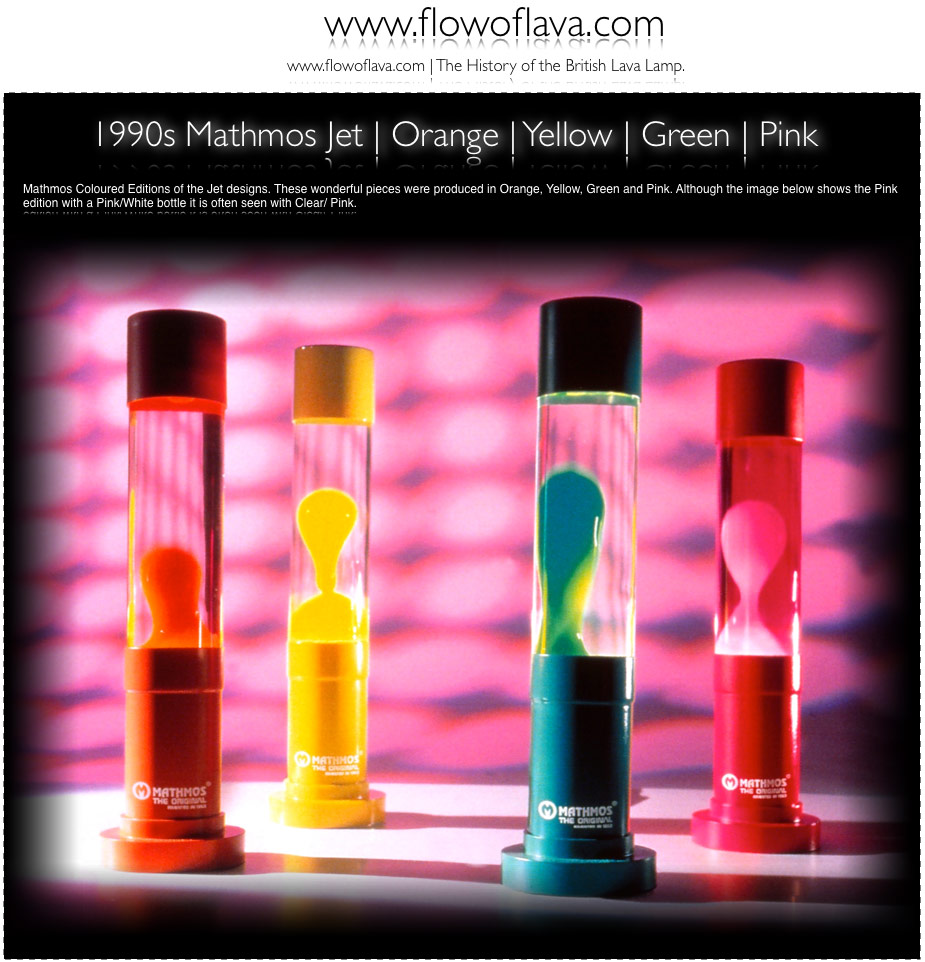
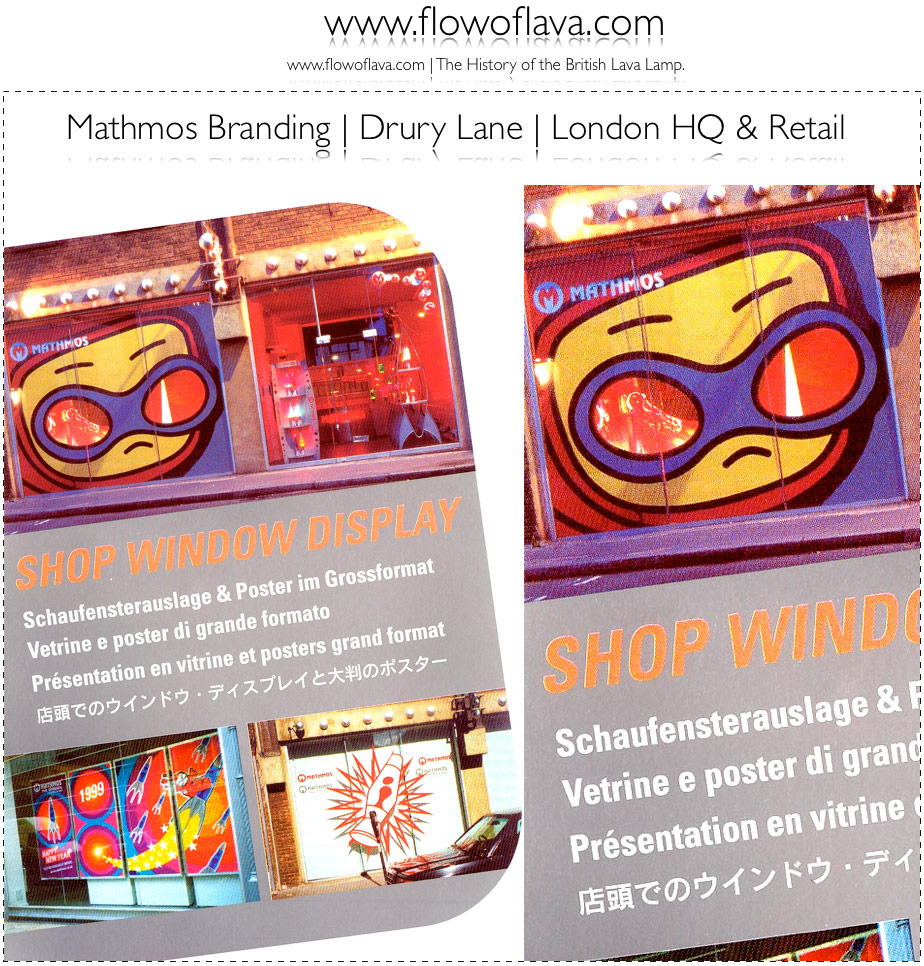
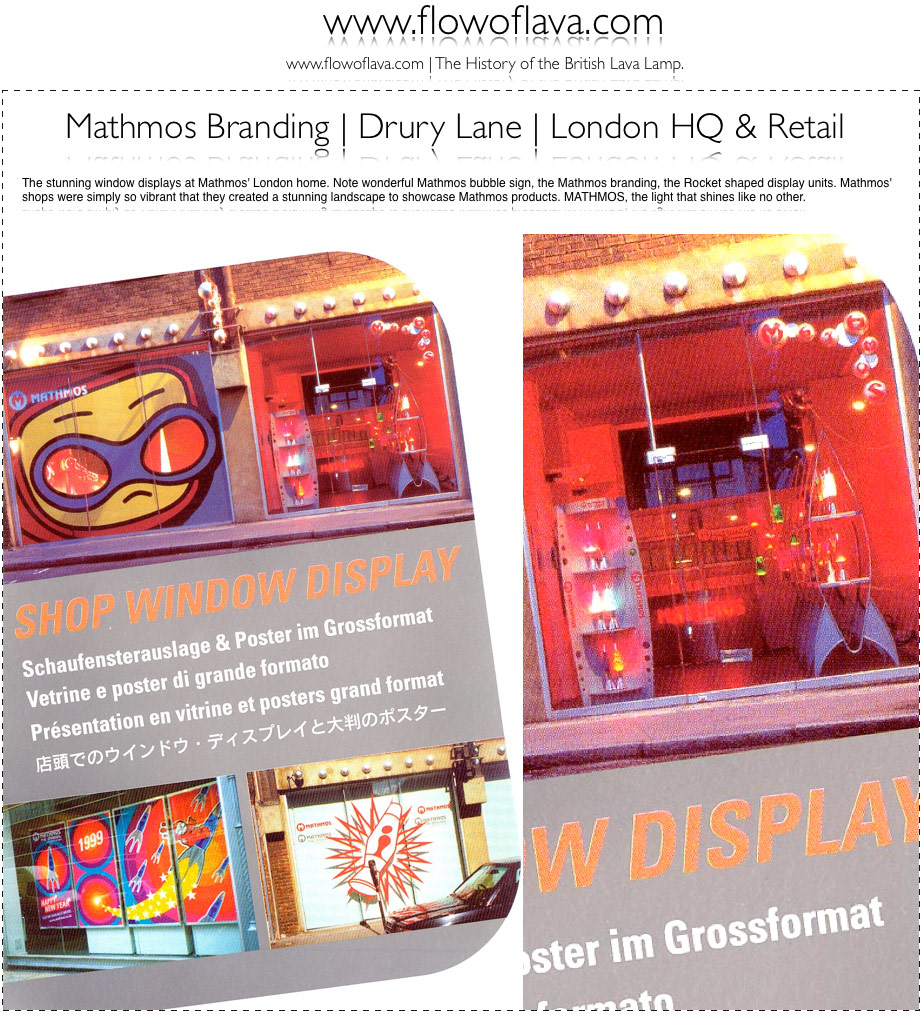
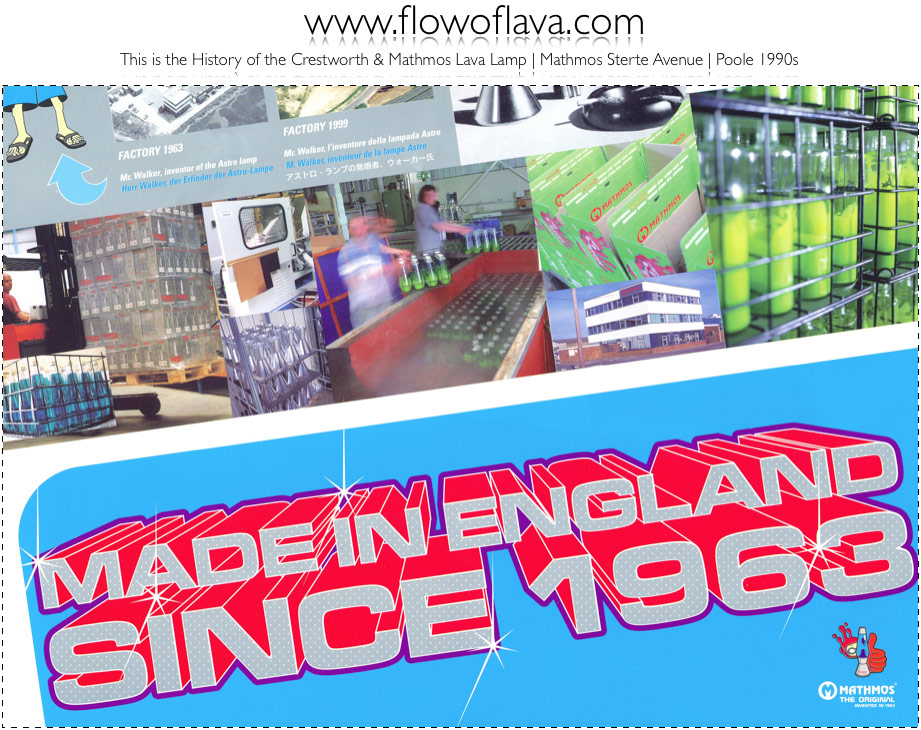
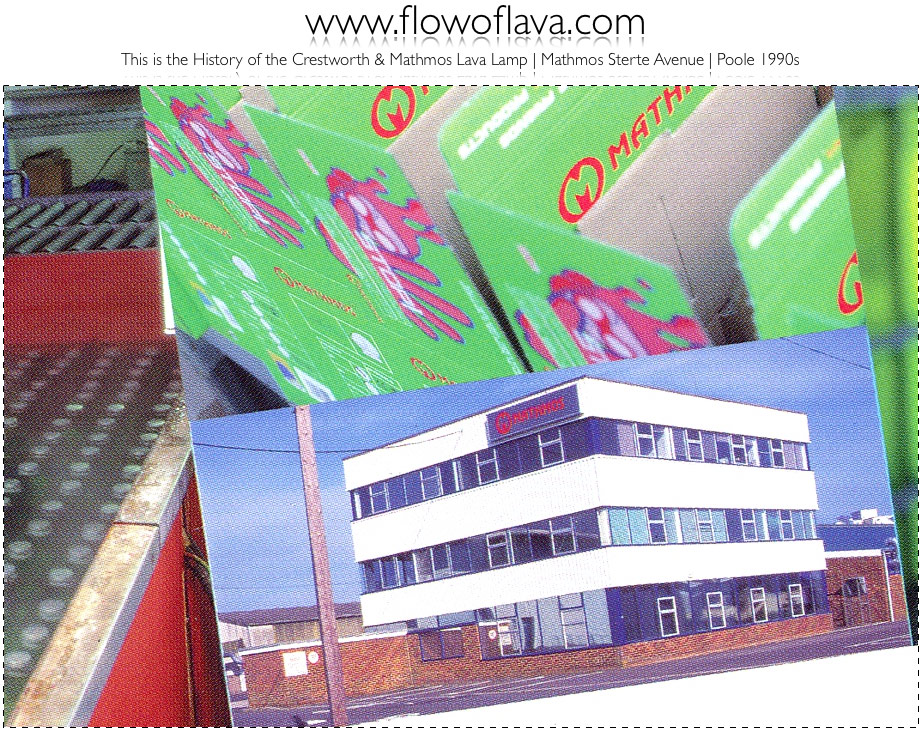
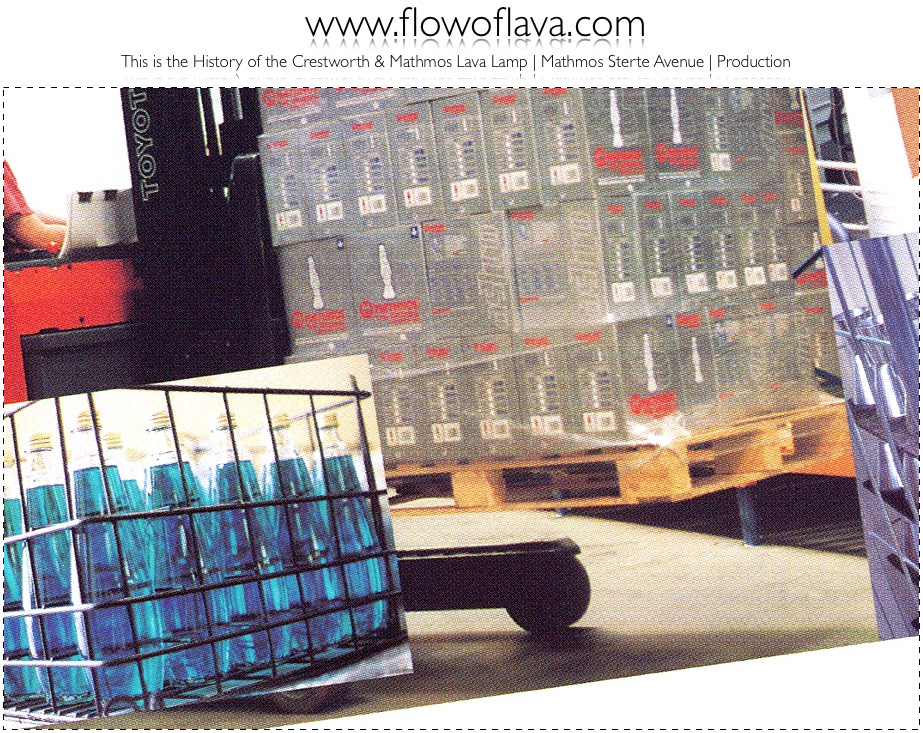
More than 500,000 lamps are now made every year at a totally non-ironic brick building on an industrial estate in Poole, Dorset, and 65 per cent of them go abroad, mostly to Europe. The continental weakness for the rising globules of coloured wax has earned the company its first export award. "The Germans can't get enough," said Fiona Somerville, spokeswoman for the manufacturing company, Crestworth Trading, which now trades as the more symbolic Mathmos, after the evil bubbling force in the film Barbarella. The lamps were invented in 1963 by Edward Craven Walker, who remains a director of the company. In 1990, it was bought by two antique dealers, Cressida Granger and David Mulley, who saw the potential in an era with looser definitions of good taste. In fact, they say the lamp is no longer naff, and have added two more designs to the original sixties Astro and its seventies companion, Jet. "All the lamps nod towards the space-age dementia of the sixties, hence the names and shapes," Ms Somerville said. "They are completely kitsch and we make no pretence that they're not, but all sorts of people love them - elderly and middle-aged people who obviously remember them, down to small kids, and students are great buyers." Original lamps are sold at the company's own British shop in Drury Lane, London, and in gadget and "new age" shops. The basic principle is the inventor's original: wax in water, which heats up when a separated light bulb is lit, and rises in random blobs in the container. All over the world, the most popular colour combinations, none of which nods towards subtlety, are red wax in violet water, and green wax in blue water. Orange wax in violet water, and red wax in yellow water, are also available, but the orange is thought not quite bright enough yet to rattle the taste barriers.
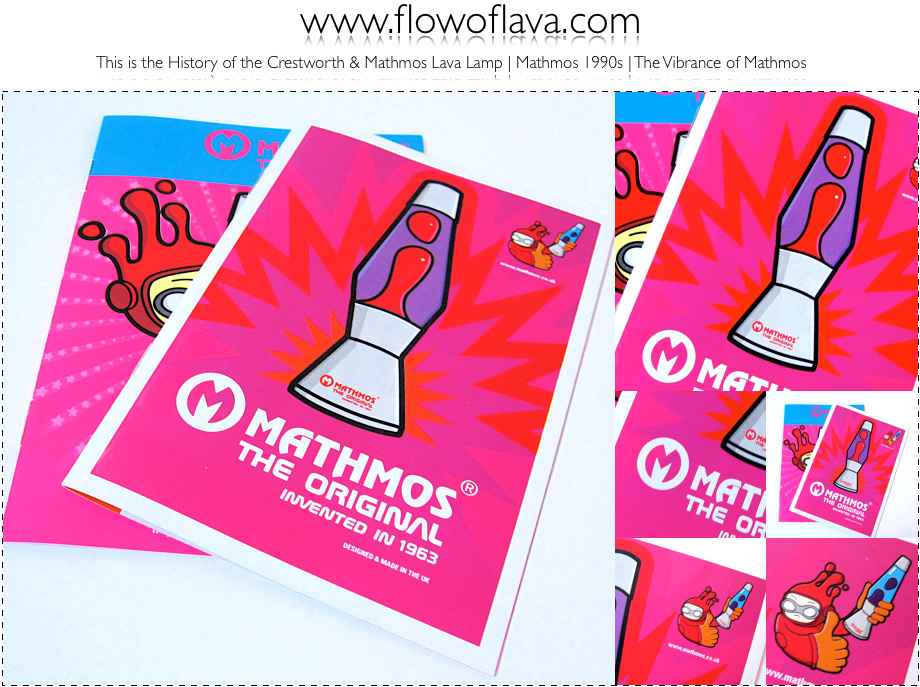
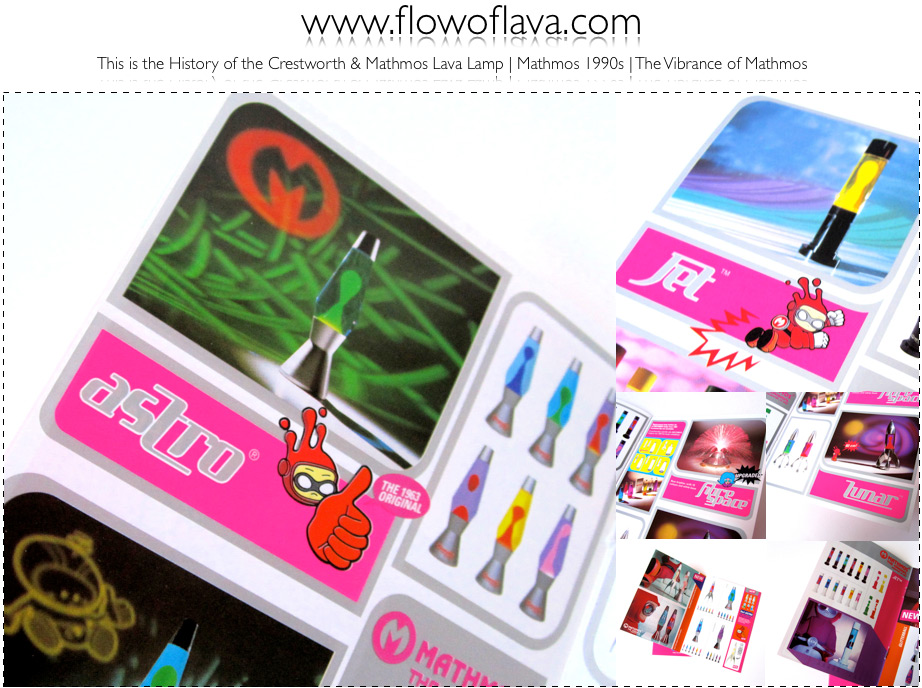
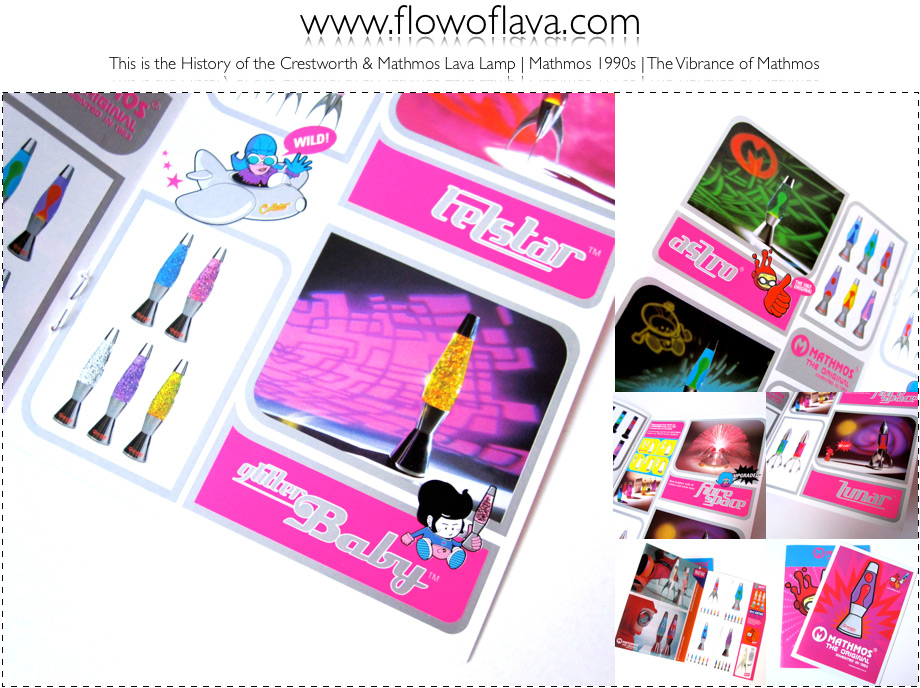
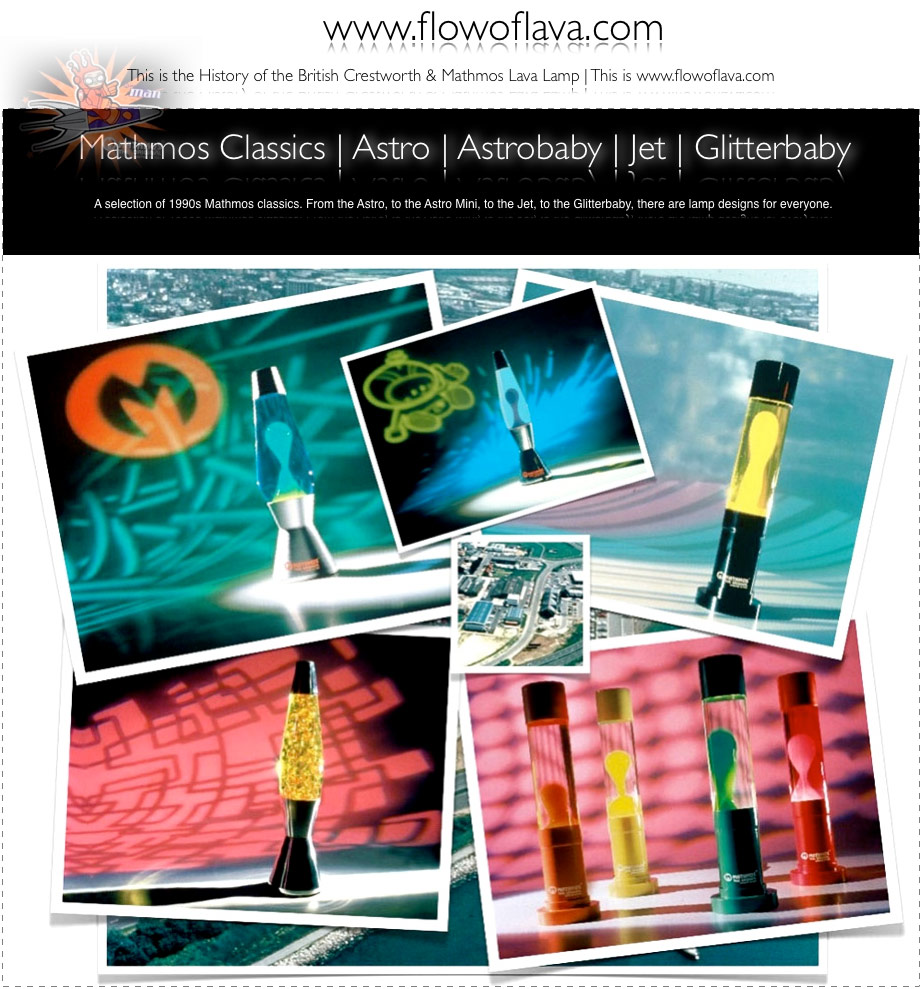
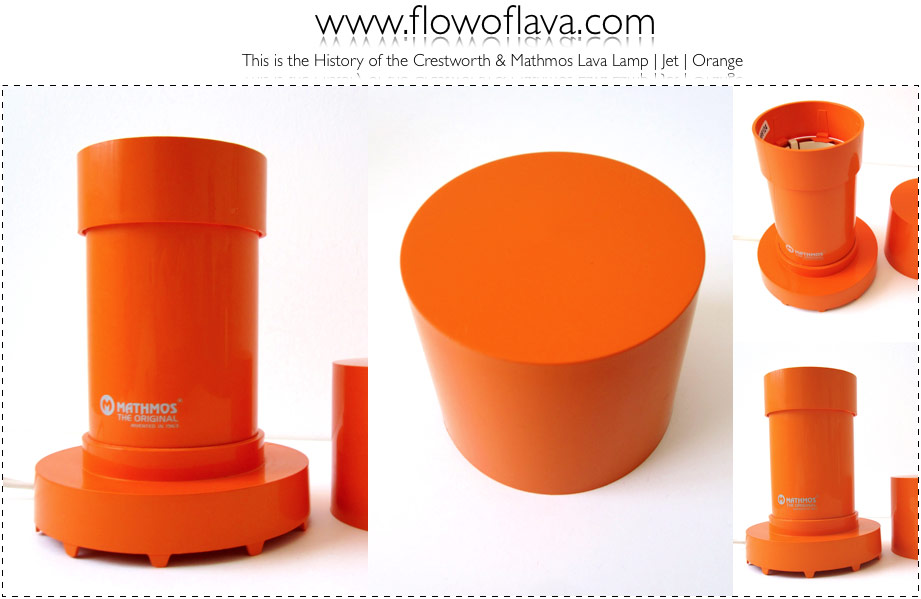
An Assortment of Mathmos products can be seen below. From the Astro, to the Astrobaby to the Jet and the Glitterbaby range, there are designs for everyone. Also note that the Mathmos Astro features the older base design that sat flush with the surface. Modern versions improved airflow into the base with a raised base. |